
Why Do You Have to Clean Your Boots on an Expedition Cruise?
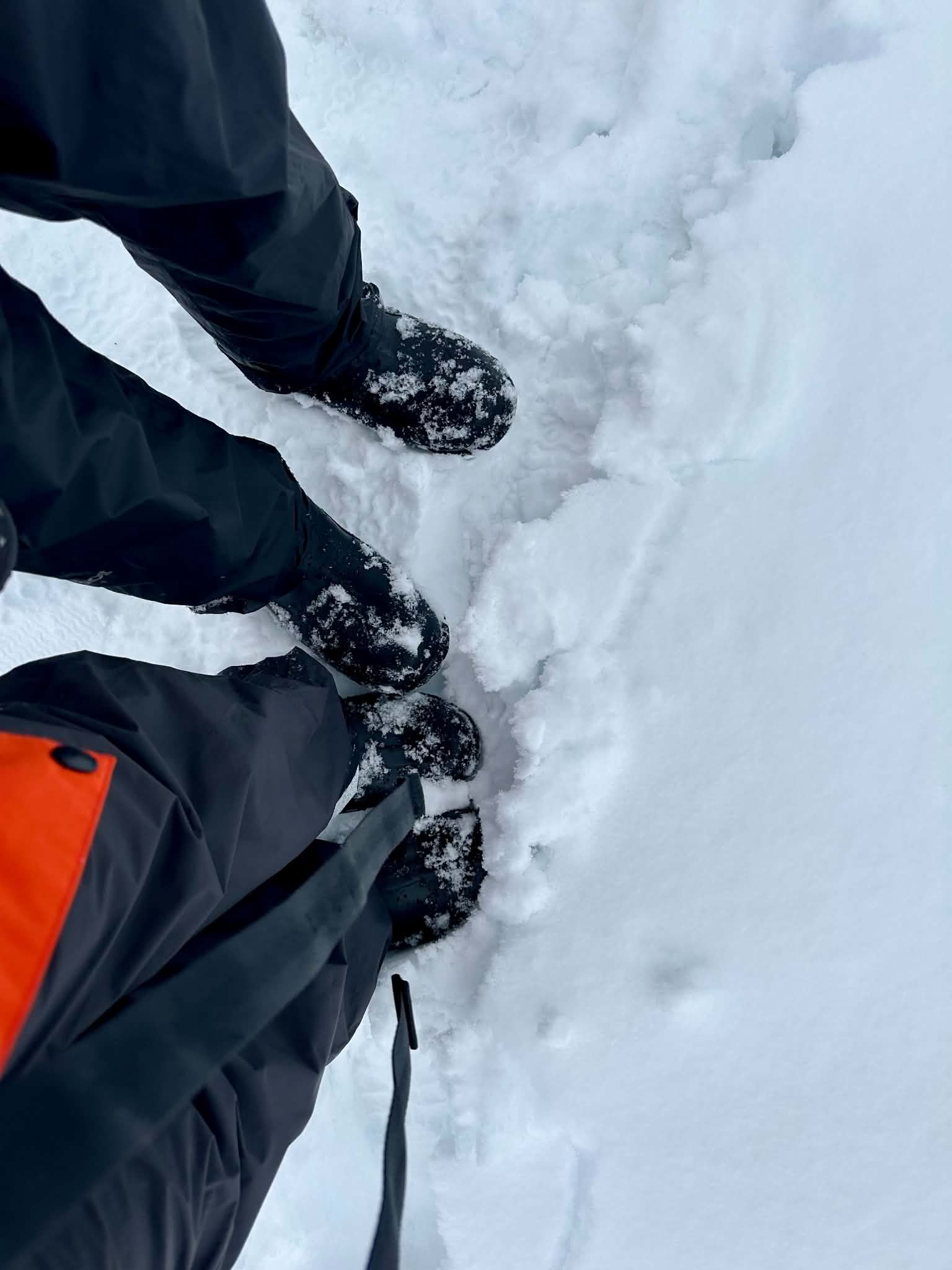
If you’ve never taken an expedition cruise before, here’s something you might not expect:
You may spend a surprising amount of time cleaning your boots.
Not because the expedition team is particularly concerned about keeping the ship’s floors spotless.
It’s because of biosecurity.
When we travel to some of the world’s most remote and environmentally sensitive places, one of our responsibilities as visitors is to make sure we don’t inadvertently bring something with us that doesn’t belong there.
And something as innocent-looking as a little mud stuck in the tread of your boot can matter.
Why do expedition cruise passengers clean their boots?
The short answer is:
Boot cleaning helps prevent travellers from accidentally carrying seeds, soil and other biological material from one location to another.
Imagine spending the morning walking through vegetation or across a muddy shoreline.
Tiny seeds or pieces of organic material can become lodged in the deep tread of your expedition boots.
Later, you return to the ship, sail somewhere else and go ashore again.
Without appropriate cleaning, some of that material could potentially travel with you.
That is why biosecurity procedures are taken seriously when expedition travellers visit fragile or isolated environments.
What is biosecurity?
In this context, biosecurity means taking precautions to reduce the risk of introducing biological material into an environment where it does not belong.
A seed doesn’t need a passport.
Neither does soil.
And neither knows that the Zodiac has just transported it from one landing site to another.
Non-native material can potentially be carried on footwear, clothing or outdoor equipment. Remote ecosystems may be particularly vulnerable because introduced organisms can disturb environments that developed in relative isolation.
Organizations such as the International Association of Antarctica Tour Operators and the Association of Arctic Expedition Cruise Operators maintain environmental and visitor guidelines for expedition operations in the regions they cover.
The exact procedures depend on the destination, operator and local requirements.
But the underlying principle is straightforward:
We should avoid carrying biological material into—or between—sensitive environments.
What does boot cleaning on an expedition ship involve?
This was part of the routine during my Antarctica expedition aboard National Geographic Endurance and during my expedition voyage around Iceland aboard Aurora Expeditions’ Sylvia Earle.
Procedures vary by destination and operator, but inspecting and cleaning outdoor gear is a familiar part of expedition travel in environmentally sensitive regions.
The expedition ship’s mudroom becomes your staging area for preparing to go ashore and handling your gear when you return.
Depending on the destination and procedures in place, you may be asked to:
- inspect the soles and deep treads of your boots;
- remove visible mud, stones or organic debris;
- scrub difficult areas with a brush;
- wash your boots at a designated cleaning station;
- step through a disinfecting solution when required; and
- allow the expedition team to verify that your footwear is clean.
There may also be a more detailed inspection before the ship’s first landing in a particularly sensitive destination.
Once the expedition begins, cleaning becomes part of the rhythm of the day.
Waterproof gear on.
Life jacket secured.
Boots checked.
Zodiac boarded.
Landing completed.
Then back through the mudroom to clean and organize everything before the next excursion.
It isn’t glamorous.
It probably won’t be the photograph you post on Instagram.
But it matters.
Are boots cleaned before or after a landing?
Potentially both.
Procedures depend on the region and operator.
Before going ashore, the expedition team may check that footwear and equipment are free from material that could be introduced into the environment.
After returning to the ship, boots may be washed to remove mud, waste or debris collected during the landing.
They may then be checked or disinfected again before the next landing.
The process helps protect the destination you are visiting as well as the next site on the itinerary.
It is not simply about keeping the ship clean.
Biosecurity isn’t just about boots
Boots may be the most obvious place for mud and biological material to collect, but they aren’t the only things that may require attention.
Think about all the places where a tiny seed or piece of vegetation could hide:
- Velcro fastenings;
- backpack pockets;
- camera bags;
- walking poles and baskets;
- tripods;
- waterproof trousers;
- jacket cuffs;
- gaiters;
- gloves; and
- anything previously used for hiking, camping or wildlife viewing.
Before an expedition, you may be asked to arrive with clean outdoor clothing and equipment.
The expedition team may also conduct a biosecurity inspection onboard. That could involve carefully checking seams, pockets and fastenings or using vacuums and other equipment to remove material that is difficult to see.
This is one reason I wouldn’t pack hiking gear for an expedition immediately after using it on a muddy trail.
Clean it carefully at home first.
The ship’s procedures provide another line of protection. They shouldn’t be the first time the equipment has been examined.
Does every expedition cruise use the same procedures?
No.
Biosecurity requirements vary according to:
- the destination;
- environmental sensitivity;
- local regulations and guidelines;
- the expedition operator;
- the activities being undertaken; and
- the conditions encountered at individual landing sites.
An Antarctica landing will not necessarily involve precisely the same process as an excursion in Iceland, the Canadian Arctic, the Galápagos or the Amazon.
Some destinations and individual sites have stricter procedures than others.
Follow the instructions given by the expedition team rather than assuming the process will be identical to a previous voyage.
Why is biosecurity especially important in Antarctica?
Antarctica is often the destination travellers associate most strongly with expedition-cruise biosecurity.
Visitors move through places with limited human presence and highly specialized ecosystems. Expedition ships may visit several landing sites during one voyage, creating a potential pathway for material to travel from one location to another.
Before landing, travellers may undergo detailed inspections of clothing and equipment.
Between landings, boots and other gear may require further cleaning.
These procedures are not theatrical touches designed to make a cruise feel more adventurous.
They are part of visiting Antarctica responsibly.
What should you do before leaving home?
Your expedition company will provide instructions specific to your voyage. Read them carefully rather than relying on a generic packing list.
Before departure:
- Clean the soles and treads of your footwear.
Remove all visible soil, stones and vegetation. - Check Velcro and fastenings.
Seeds and plant material can become lodged in the hooks. - Empty and inspect pockets.
Pay particular attention to backpacks and outdoor clothing previously used for hiking. - Clean walking poles, tripods and camera bags.
Anything that touches the ground deserves attention. - Don’t pack dirty gear.
Wash and dry equipment before placing it in your luggage. - Follow the operator’s instructions onboard.
Even carefully cleaned equipment may still need to be inspected or treated before a landing.
What does boot cleaning tell us about expedition cruising?
This is one of the differences I find fascinating between expedition cruising and more conventional cruising.
On a traditional cruise, going ashore may mean walking down a gangway and into a port.
On an expedition cruise, getting ashore can be an experience in itself.
You may be:
- putting on waterproof clothing in the mudroom;
- pulling on expedition boots;
- boarding a Zodiac;
- making a wet landing;
- following strict wildlife guidance;
- cleaning your gear when you return; and
- preparing to do it all again somewhere completely different.
There is much more happening behind the scenes than most guests realize before their first expedition.
The mudroom isn’t merely a place to leave wet clothing.
It is where many of the systems that make repeated off-ship exploration possible come together.
Responsible expedition travel is part of the adventure
I don’t see these procedures as an inconvenience.
I think they are part of understanding the privilege of visiting these places.
If we are going to travel to remote coastlines, wildlife habitats and fragile ecosystems, we should want the people taking us there to care about how we arrive—and what we might leave behind.
That is one of the things expedition cruising has reinforced for me.
The best expedition experiences aren’t simply about seeing extraordinary places.
They are also about learning to travel through them with greater awareness.
Sometimes that lesson comes from a naturalist explaining the wildlife we’re watching.
Sometimes it comes from a geologist helping us understand the landscape beneath our feet.
And sometimes?
It comes from standing in a mudroom, scrubbing the bottom of your boots. ❤️
Frequently Asked Questions
Why do expedition cruise passengers clean their boots?
Boot cleaning helps remove soil, seeds and other biological material that could potentially be transported into or between environmentally sensitive landing sites.
Do I need to clean new expedition boots?
Follow the expedition team’s instructions. Even new or apparently clean boots may need to pass through the required onboard inspection and cleaning process.
Should I clean my boots before travelling?
Yes. Outdoor footwear and equipment should be thoroughly cleaned before packing, especially if they have previously been used for hiking, farming, camping or wildlife activities.
What other equipment may be inspected?
Backpacks, camera bags, walking poles, tripods, gaiters, waterproof clothing, Velcro and other outdoor equipment may also require inspection or cleaning.
Are expedition boots cleaned after every landing?
That depends on the destination, operator and site conditions. On some voyages, inspecting and cleaning boots becomes a routine part of returning from landings and preparing for the next one.
Is boot cleaning only required in Antarctica?
No. Biosecurity procedures may also be used in Arctic, sub-Antarctic and other environmentally sensitive destinations. The specific requirements vary.
Continue exploring expedition cruising
Learn more about what a mudroom is and how it works on an expedition cruise ship.
You can also explore my firsthand expedition-cruise experience across Antarctica, the Galápagos, Newfoundland and Labrador, the Peruvian Amazon, Iceland and Canada’s boreal winter.
I’m Sheila Gallant-Halloran, founder of Lush Life Travel and a Canadian river and expedition-cruise specialist.
I have personally experienced expedition travel in Antarctica, the Galápagos, Newfoundland and Labrador, the Peruvian Amazon, Iceland and Canada’s boreal winter.
I believe extraordinary travel comes with responsibility.
Sometimes that responsibility begins with something as small as checking what is stuck to the bottom of your boot.